
Si vendes en Internet, ya conoces esta sensación. Un comprador navega por tu tienda, añade un producto al carrito, llega hasta la caja y luego desaparece. No hay pedido. Sin ingresos. Vemos este patrón con los vendedores de comercio electrónico todos los días. Y los datos confirman lo que la mayoría de nosotros sospechamos: ocurre mucho más a menudo de lo que a nadie le gustaría.
Esta guía desglosa las últimas estadísticas de abandono de carritos para 2026, explica por qué se van los compradores y te ofrece siete formas probadas de hacer que vuelvan. También cubrimos cómo las herramientas adecuadas de atención al cliente (incluyendo eDesk) encajan en una sólida estrategia de recuperación de carros.
¿Qué es el abandono de la cesta de la compra?
El abandono del carrito de la compra se produce cuando un comprador añade artículos a su carrito online pero abandona el sitio antes de completar la compra. El comprador mostraba una clara intención de compra. Algo le impidió terminar.
Cada carrito abandonado representa una pérdida de ingresos y un gasto publicitario malgastado. Si has pagado para atraer a ese visitante a tu tienda mediante anuncios de pago, SEO o redes sociales, el dinero gastado en la adquisición no va a ninguna parte cuando el carrito se abandona.
Aquí tienes la fórmula para calcular la tasa de abandono de carritos de tu tienda:
Tasa de abandono de carritos = (1 – Ventas completadas / Carritos creados) x 100
La mayoría de las plataformas de comercio electrónico como ShopifyBigCommerce y WooCommerce realizan un seguimiento de esta métrica en sus paneles. Google Analytics también informa sobre los abandonos en el embudo de pago.
¿Cuál es la tasa media de abandono de la cesta de la compra en 2026?
La tasa media de abandono de carritos en todos los sitios de comercio electrónico es del 70,22%, según un análisis de 50 estudios. Eso significa que aproximadamente 7 de cada 10 compradores que añaden productos al carrito se irán sin comprar.
Esta tasa se ha mantenido constantemente alta durante más de una década. En 2006, era del 59,8%. En 2012, alcanzó un máximo del 72%. Desde 2014, ronda el 70%, a pesar de los grandes avances en el diseño de las cajas y la tecnología de pago.
Estas son las cifras clave que debes conocer:
- Average global cart abandonment rate: 70.22%
- Mobile abandonment rate: 80.02%
- Desktop abandonment rate: 66.41%
- Annual lost revenue from cart abandonment: approximately $18 billion
- Recoverable revenue through better checkout design: $260 billion in the US and EU
Cart abandonment rates by device
Los compradores móviles abandonan los carritos a un ritmo significativamente mayor que los usuarios de ordenadores de sobremesa. La diferencia es de unos 14 puntos porcentuales. Esta diferencia se debe a un diseño móvil deficiente, campos de formulario pequeños y tiempos de carga lentos en los teléfonos.
Más del 58% de todo el tráfico de comercio electrónico procede ahora de dispositivos móviles. Si tu experiencia de pago móvil es lenta o torpe, estás perdiendo una gran parte de las ventas potenciales.
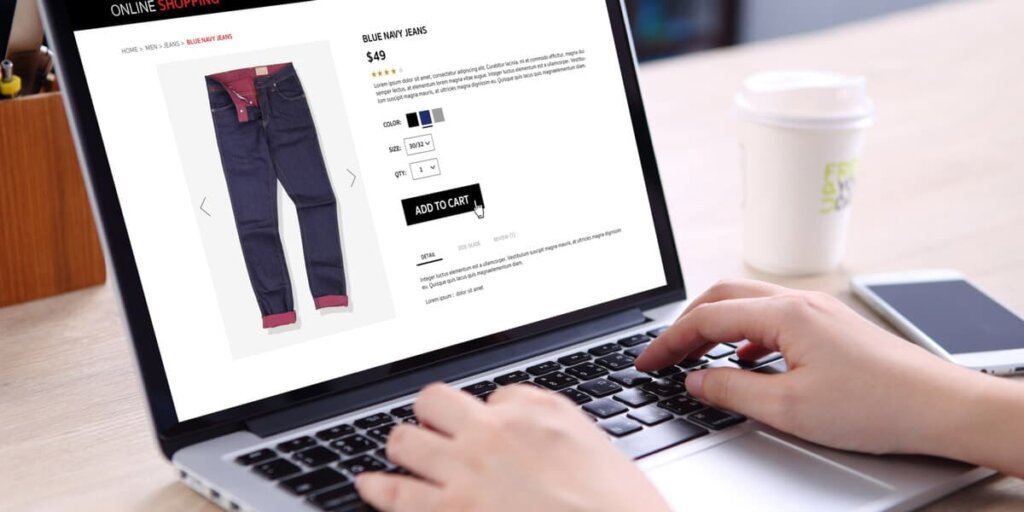
¿Por qué los compradores online abandonan sus carritos?
Not every abandoned cart signals a lost sale. Baymard Institute found that 43% of US online shoppers who abandoned a cart said they were «just browsing» and not ready to buy. This segment is nearly impossible to convert through checkout improvements alone.
The remaining reasons are fixable. Here is the breakdown of the top reasons shoppers abandon carts, excluding the «just browsing» group:
- Extra costs too high (shipping, tax, fees): 48%
- Forced account creation required: 26%
- No trust in site with credit card information: 25%
- Delivery too slow: 23%
- Too long or complicated checkout process: 22%
- Unable to see or calculate total order cost upfront: 21%
- Returns policy was unsatisfactory: 18%
- Website had errors or crashed: 17%
- Not enough payment methods: 13%
- Credit card was declined: 9%
Most of these problems come down to three themes: hidden costs, unnecessary friction, and lack of trust. Address those three, and your abandonment rate will drop.
¿Cómo reducir el abandono de la cesta de la compra?
Below are seven strategies backed by research and real results. Each one targets a specific reason shoppers leave.
1. Muestra todos los costes por adelantado, incluidos los gastos de envío y los impuestos
Unexpected costs at checkout are the number one reason shoppers abandon carts. 48% of shoppers leave when extra charges appear late in the process.
What to do:
- Display estimated shipping costs on the product page or early in the cart
- Show tax calculations before the final checkout step
- Offer free shipping thresholds (e.g., «Free shipping on orders over $50»)
- Be transparent about handling fees, duties, or any other add-ons
Retailers who display shipping and taxes earlier in the checkout funnel reduce abandonment by up to 15%.
2. Habilitar el pago invitado y reducir los campos del formulario
26% of shoppers abandon carts when forced to create an account. And 22% leave because the checkout process is too long or complicated.
Baymard Institute’s research shows the average US checkout flow contains 23.48 form elements. The ideal number is 12 to 14 elements, or 7 to 8 form fields (Baymard Institute, 2025). Most stores ask for far more than they need.
What to do:
- Always offer a guest checkout option
- Remove unnecessary form fields (do you need a phone number or date of birth?)
- Use auto-fill for address and payment data
- Add a progress bar so shoppers see how many steps remain
- Consider single-page checkout for faster completion
Sites using one-page checkouts or express payment options see conversion rates up to 21% higher than standard multi-step checkouts (Cropink, 2025).

3. Genera confianza con distintivos de seguridad y políticas de devolución claras
25% of online shoppers abandon carts because they don’t trust the site with their credit card details. Trust is earned through visual cues and clear policies.
What to do:
- Display SSL certificates and trust badges (Norton, McAfee, PayPal Verified)
- Show accepted payment icons (Visa, Mastercard, PayPal, Apple Pay)
- Feature customer reviews near the checkout
- Publish a clear, easy-to-find return and refund policy
- Add live chat to answer security concerns in real time
Trust badges and clear return policies reduce cart abandonment by up to 28% (Cropink, 2025).
4. Optimiza tu experiencia de pago móvil
With mobile cart abandonment rates exceeding 80%, mobile optimization is not optional. It is a revenue priority.
The problem goes beyond responsive design. Small tap targets, excessive typing, and slow page loads create enough frustration to push mobile shoppers away.
What to do:
- Build mobile-first, not only mobile-friendly
- Simplify forms by reducing required fields on small screens
- Use large, tappable buttons for CTAs
- Integrate mobile wallet payments (Apple Pay, Google Pay, Shop Pay)
- Keep page load times under 3 seconds (sites that load in under 2 seconds see 30% lower abandonment)
- Consider building a mobile app for high-frequency buyers (mobile app checkouts see 32% less abandonment than mobile web)
5. Ofrece múltiples métodos de pago, incluyendo Compra Ahora, Paga Después
13% of shoppers abandon carts when their preferred payment method is not available. Payment flexibility matters more now than in previous years, with digital wallets and BNPL gaining mainstream adoption.
What to do:
- Accept credit cards, debit cards, PayPal, Apple Pay, Google Pay, and Shop Pay
- Add a Buy Now, Pay Later option through Klarna, Afterpay, or Affirm (brands offering BNPL report a 2.1% average increase in conversion rates)
- Localize payment options for international customers
- Ensure payment pages load quickly and feel secure
6. Utiliza datos y pruebas para encontrar tus puntos de abandono específicos
Generic advice only goes so far. Your store has unique friction points that require specific fixes.
What to do:
- Set up Google Analytics funnel reports to see where shoppers exit
- Use heatmaps (Hotjar, Crazy Egg) to track where users click, scroll, and hesitate
- Run A/B tests on CTAs, page layouts, form lengths, and button placements
- Deploy exit-intent surveys to ask abandoning shoppers why they are leaving
- Review customer support metrics to identify recurring complaints about checkout
A/B testing alone leads to a 25% improvement in conversion rates when applied to cart recovery elements.
7. Proporcionar asistencia al cliente en tiempo real durante el pago
Many shoppers have questions right before they buy. What is the return policy? When will the order arrive? Is this the right size? If no one is available to answer, they leave.
Live chat and messaging support during checkout directly reduce drop-off. Shoppers who get a question answered in real time are far more likely to complete their purchase.
What to do:
- Add live chat or a chatbot to your checkout pages
- Offer support through WhatsApp, Facebook Messenger, or Instagram DMs
- Use eCommerce automation to handle common pre-sale questions (shipping times, return windows, product specs)
- Make sure agents have full order context so they resolve issues quickly
eDesk brings all these channels together in a single inbox, letting your team respond to pre-checkout questions fast, across every marketplace and webstore. Learn more about eDesk’s AI-powered support.
¿Cómo funcionan los correos electrónicos de recuperación de carritos abandonados?
Even with a fully optimized checkout, some abandonment will still happen. Cart recovery emails bring those shoppers back.
The numbers are strong. Cart abandonment emails achieve a 50.5% average open rate and a 10.7% average conversion rate. Campaigns using three emails in a sequence generate significantly more revenue than single-email campaigns.
Buenas prácticas para los correos electrónicos sobre carritos abandonados
- Send the first email within 1 hour of abandonment
- Follow up with a second email at 24 hours
- Send a third and final email at 72 hours (include an incentive if appropriate)
- Include a product image of the abandoned item
- Write a clear, direct subject line (top-performing subject lines reach 70% open rates)
- Add one strong call-to-action that links directly back to the cart
- Personalize with the shopper’s name and the specific products they left behind
- Use urgency messaging («Only 3 left in stock» or «Your cart expires soon»)
Encourage shoppers to log in or provide an email address early in the checkout flow so you have the information needed to trigger recovery emails.
Popular tools for cart recovery email automation include Klaviyo, Omnisend, and Mailchimp.
¿Cómo recuperan los anuncios de remarketing los carritos abandonados?
Remarketing ads target users who visited your product pages or started checkout but did not buy. These ads appear across Facebook, Instagram, TikTok, and Google Display Network, reminding shoppers about the items they left behind.
Consejos para campañas de remarketing eficaces
- Use dynamic retargeting to show the exact product the shopper abandoned
- Add a time-limited offer or free shipping incentive
- Segment audiences based on how far they got in the checkout funnel (product page viewers vs. checkout starters)
- Set frequency caps to avoid ad fatigue
- Exclude converted buyers using burn pixels so they stop seeing ads after purchasing
Retargeting ads reduce cart abandonment by 6.5% and increase sales by up to 20%.
¿Cómo reduce la asistencia al cliente el abandono de carritos?
Pre-sale support is one of the most overlooked tools for reducing cart abandonment. Shoppers who have questions before buying need fast, helpful answers, or they leave.
For sellers on Amazon, eBay, Shopify, and other marketplaces, customer questions come from many channels at once. Managing these messages across separate inboxes slows response times and increases the chance of missed inquiries.
eDesk solves this by pulling messages from every sales channel into one smart inbox. Your team sees every customer question in context, with order details attached, and responds faster.
With eDesk, sellers:
- Answer pre-sale questions before shoppers leave checkout
- Resolve shipping, sizing, and return concerns in real time
- Automate responses to common questions with AI
- Meet marketplace SLA requirements to protect account health
- Track support performance with built-in reporting and analytics
Devuelve la vida a los carritos abandonados con eDesk
You now have seven specific, data-backed strategies to reduce shopping cart abandonment. From transparent pricing to faster checkouts, mobile optimization, and recovery emails, each tactic addresses a proven reason shoppers leave.
The common thread across all of these is customer experience. Shoppers who feel informed, supported, and secure at every step are the ones who complete their purchase.
eDesk makes this possible at scale. It centralizes support across all your eCommerce channels, gives your team instant access to order data, and uses AI to speed up responses for pre-sale and post-sale questions.
Book a demo to see how eDesk turns abandoned carts into completed orders.
Preguntas frecuentes
What is shopping cart abandonment?
Shopping cart abandonment occurs when an online shopper adds items to their cart but leaves the website before completing the purchase. The global average cart abandonment rate is 70.19%.
What is the biggest reason shoppers abandon their carts?
Unexpected extra costs at checkout, including shipping fees, taxes, and handling charges. 48% of shoppers cite this as their primary reason for leaving.
What is a good cart abandonment rate?
The global average is 70.19%. If your store’s rate is below 60%, you are performing well above average. Rates vary by industry, with grocery eCommerce seeing rates as low as 52% and luxury or jewelry stores reaching above 82%.
Do abandoned cart emails work?
Yes. Cart abandonment emails achieve a 50.5% average open rate and a 10.7% conversion rate. Sending a three-email sequence generates more revenue than a single email.
Why is mobile cart abandonment higher than desktop?
Mobile devices account for about 80% of cart abandonments versus 66% on desktop. Smaller screens, more typing, slower page loads, and less intuitive checkout forms all contribute to higher mobile drop-off rates.
How does live chat reduce cart abandonment?
Shoppers with unanswered pre-checkout questions often leave instead of searching for answers. Live chat and AI chatbots resolve concerns in real time, keeping the shopper on the checkout page. eDesk offers live chat integrated with a full eCommerce helpdesk for fast support.
How does eDesk help reduce shopping cart abandonment?
eDesk centralizes customer messages from Amazon, eBay, Shopify, and 250+ other channels into one inbox. This lets support teams answer pre-sale questions faster, resolve checkout concerns in real time, and use AI to automate responses. Fewer abandoned carts and more completed orders.