eComm Live Belfast Key Takeaways
)
A few things I took from eComm Live Belfast
I was at eComm Live in Belfast at the end of April. It was a good event and the conversations were practical, which is usually a good sign.
There was a lot of discussion about TikTok Shop, social commerce, marketplaces, AI, and international growth. But underneath all of that, most people were really talking about the same issues: margin, retention, customer experience, and how difficult it is to scale without making the business harder to run.
That was probably my main takeaway from the two days. Growth is still there, but it’s not ‘easy’ growth.
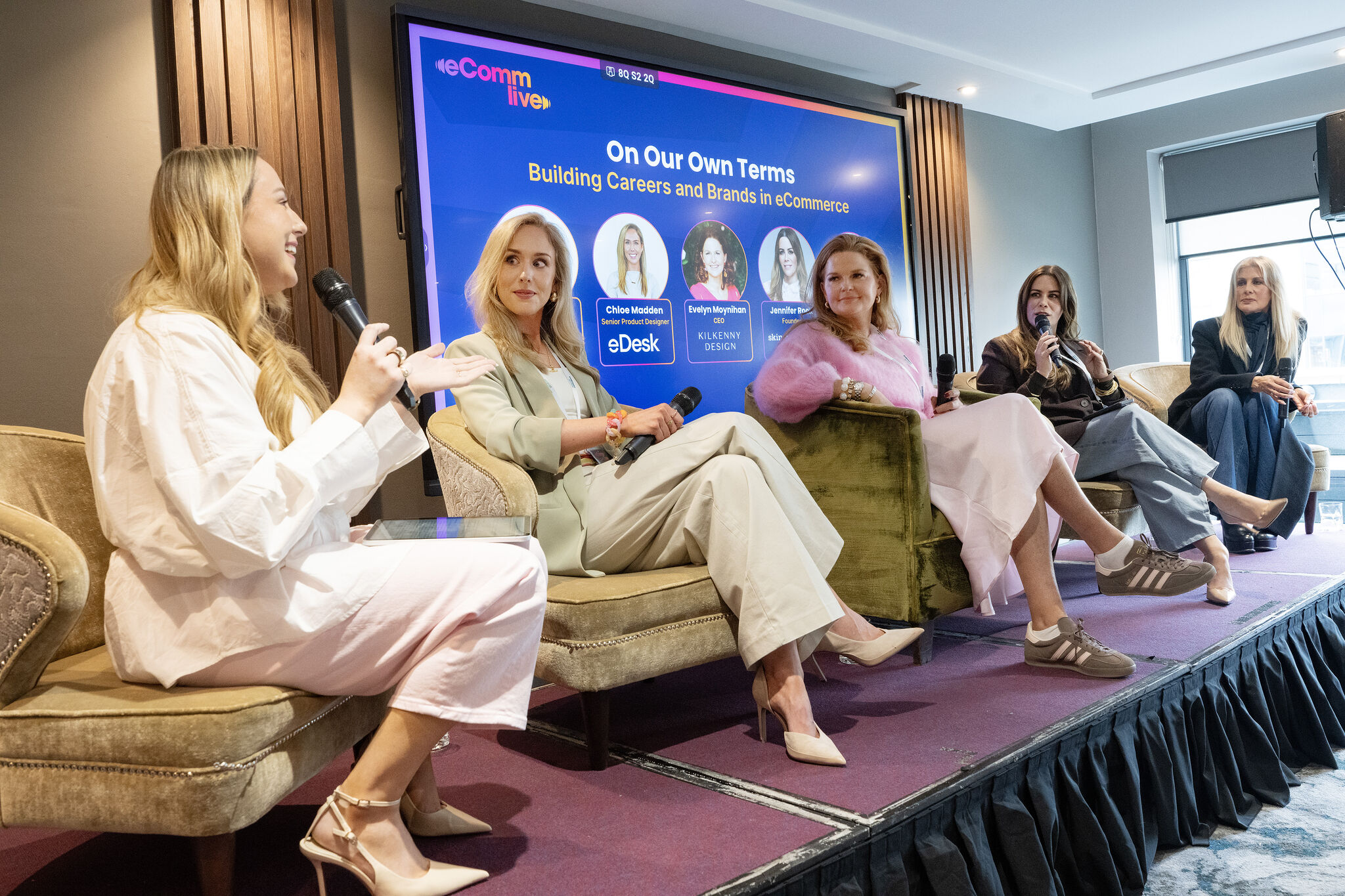
eDesk sponsored the Founders Dinner during the event, which brought together founders and operators from brands including Bellamianta, The Smooth Company, The Casual Company, The JAQ Group, Pearl Beauty, and The Skin Nerd. Darren Heaphy also spoke during the event, and Chloe Madden represented eDesk on the Women in eCommerce panel.
A few things came up repeatedly, which I thought it might be useful to share here.
Social commerce is working, but it’s exposing a lot as well
TikTok Shop came up constantly. No surprise there.
What was more interesting was the way people were talking about it. A while back, the conversation was mostly about the opportunity. Now, it’s much more about whether brands can make it work sustainably.
Connor Martin from The JAQ Group talked about building multiple brands through social commerce, including Liquid London, which was designed with TikTok in mind from the start. That makes a lot more sense than treating TikTok as just another place to post the same products and content.
That was a common theme: different platforms need different thinking. Different content. different merchandising, sometimes different products. A lot of brands still try to force the same approach everywhere, and it usually shows.
Niall Robinson from The Casual Company made the point that even if TikTok Shop activity only breaks even directly, the content created there can still perform very well on Meta and elsewhere. Brendan McDowell from bPerfect Cosmetics made a similar point about the halo effect on wider online and retail sales.
That all felt fairly realistic. Social commerce is driving growth for some brands, but it also exposes operational weaknesses very quickly. If reviews slip, response times are poor, or shop health scores fall, performance suffers. That’s just how these channels operate now.
Which is one of the reasons support came up so consistently over the two days.
Customer Support is no longer sitting off to the side
For a long time, customer support was treated as something separate. Important, obviously, but not central. That’s harder to argue now.
Connor Martin mentioned customer surveys as one of the best sources of business insight available. I agree. If you’re paying attention, customer conversations tell you everything: where the friction is, what people are confused by, and where the business is making life harder for itself.
Linda Stinson from Bellamianta made a similar point, albeit in a different way. The company started with one hero product and scaled through influencer marketing, social commerce, and listening closely to customer feedback.
Colin Christie from Christies Direct probably said it best: customers will never forget how you made them feel, even if they forget what they bought. That still rings true, and matters more as businesses get bigger.
Once volume goes up, things tend to get messier. More orders, more channels, more systems – more room for context to get lost. That’s usually when support becomes a commercial problem rather than just an operational one.
It’s also why the AI conversation has to be more grounded. The issue is not whether AI matters (it does) but whether it has the context it needs to be useful. If customer conversations are scattered and order data sits in silos, AI won’t fix that. It will just automate a disconnected experience.
Profitability is back where it should be
Another refreshing thing about the event was that people were speaking pretty openly about margin and profitability. And there was less talk about scale for the sake of scale. Instead, more people were talking about what actually holds up in commercial terms.
Thomas Carter shared that his business scaled to £5m in 18 months and is now processing around 7,000 orders a day across multiple Shopify stores. A few of his points stood out: US customers spend more than UK customers, ROAS and cash flow are still the key numbers, plain text emails often beat more designed ones, retention helps reduce CAC, and Klaviyo drives roughly 25% of revenue.
None of that sounded unusual to me. If anything, it reflected exactly where brands are right now. Customer acquisition is expensive, and fees aren’t getting any friendlier, and there’s less room for bad channel decisions or lazy discounting.
Brendan McDowell talked about using ‘gift-with-purchase’ promotions instead of relying too heavily on discounting. That felt sensible. It’s a great example of how brands are having to think harder about how they convert demand without damaging margin.
There was also a more realistic tone around marketplaces. Not negative, just more honest than you often hear publicly. Several brands discussed how scale does not always equal profitable scale. Áine Kennedy from The Smooth Company mentioned they are active on Amazon US, but not yet in the UK or Ireland. She also noted that some brands are stepping back from TikTok Shop because profitability is becoming harder to maintain.
That alone is worth being clear about: not every channel that grows revenue is helping the business.
International growth: attractive but complicated
International expansion came up a lot, especially regarding the US.
The Smooth Company now ships to 92 countries after generating more than 150 million TikTok views. More than one speaker also mentioned the higher value of US customers compared with UK customers, which was interesting.
The opportunity is real, but so are the complications.
Tariffs came up. Delivery expectations came up. Support across more markets came up, as did the operational strain that comes with selling into more regions (which often gets glossed over). Plenty of brands can generate demand internationally, but properly supporting international growth is a different beast from just generating the demand for it.
International growth isn’t just about customer acquisition. It’s about whether the business can actually handle the extra complexity once order volume starts building.
The Gymshark lesson: Don’t copy Gymshark
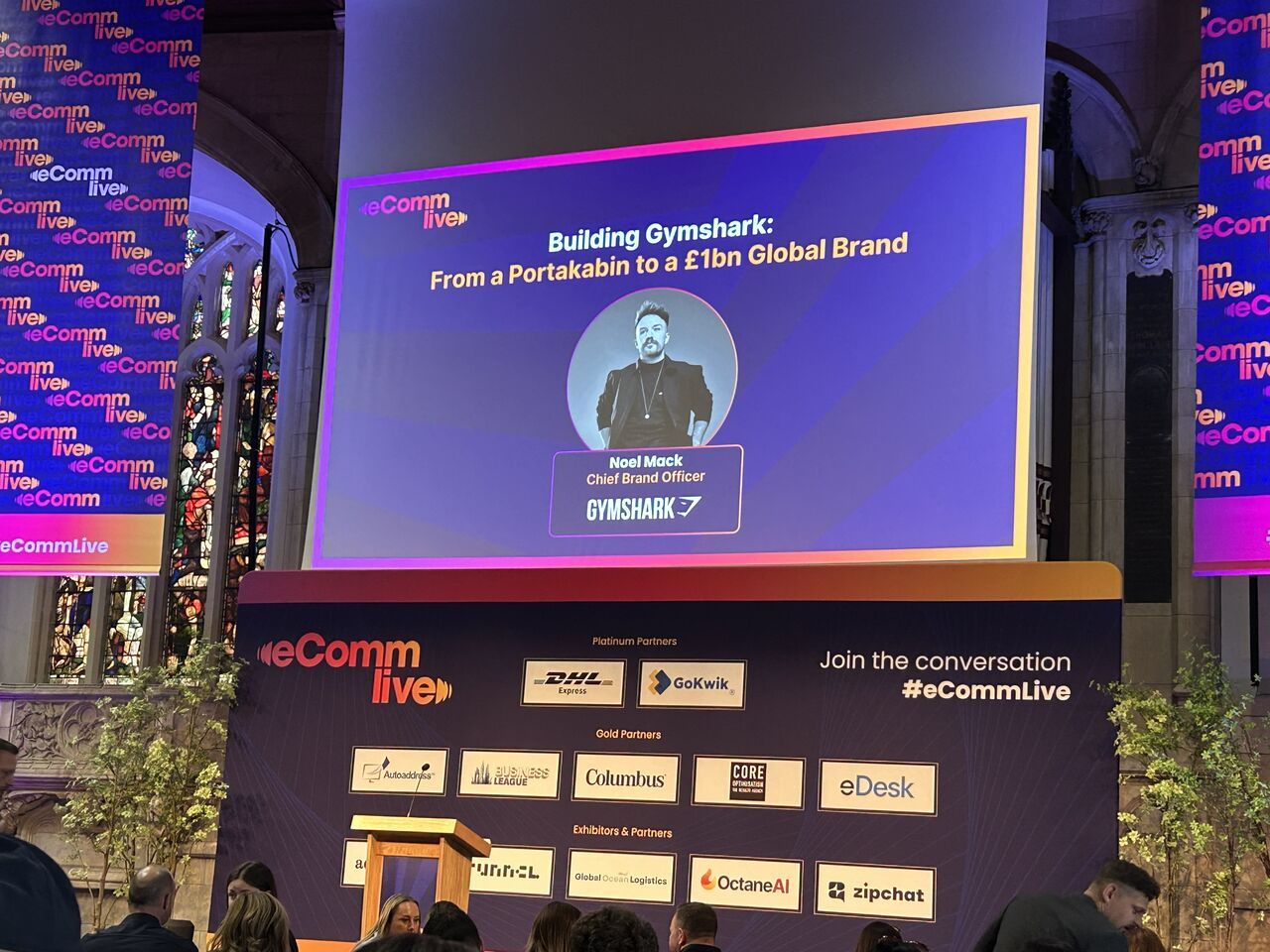
The event finished with Noel Mack from Gymshark. One point stayed with me: Gymshark never tried to ‘out-Nike’ Nike or ‘out-Adidas’ Adidas. They built the business differently.
That seemed to line up with a lot of what came up over the two days.
The most interesting brands aren’t trying to force old retail models onto new channels. They’re adapting to how people actually buy now – whether that’s through creators, community, or being more selective about where they play.
And not everyone is doing this the same way, obviously.
The businesses that seem to be doing well, though, are usually the ones that know what works for them, as well as what doesn’t, and (importantly) they’re willing to change course quickly when needed.
My main takeaways
The event was useful because the discussion was grounded in reality. Which in itself was something of a relief – there’s enough sugarcoating out there to last us all a lifetime, and this wasn’t that.
The crux of it was: Margins are tight and retention matters. Social commerce is working, but it’s not easy. AI is promising, but only if your data is joined up. None of that’s especially glamorous, I grant you, but that’s where the real work is (rightly) happening.
The broader point is this: the brands doing well are not just better at marketing, but crucially, they’re also better at operating. And right now, that’s where the real competitive advantage lies.
Author:
)